
The cannabis market has developed into a diverse product landscape where consumers can explore flower through genetics, aroma, cannabinoids, terpenes, and cultivation characteristics. Within this landscape, Indica remains a familiar classification for shoppers exploring cannabis flower, while modern breeding has introduced a much broader range of product profiles. Understanding the history of this category and the details behind individual products can make modern cannabis selection more structured and informative.
In This Article
- The Origins of the Indica Classification
- Modern Genetics Have Expanded the Category
- Aroma Provides an Important Product Characteristic
- Terpenes Add Greater Detail
- Cannabinoid Profiles Help Define Products
- Digital Catalogs Support Modern Selection
- Product Selection Is Becoming More Detailed
- Conclusion
The Origins of the Indica Classification
Indica is traditionally associated with cannabis varieties originating from regions of South and Central Asia. Historical varieties were often recognized for their relatively compact growth patterns, broader leaves, and dense flowering structures.
These physical characteristics helped establish the traditional distinction between indica and other cannabis classifications. Over time, cultivation practices and crossbreeding expanded cannabis genetics, resulting in products that may combine characteristics from several traditional lineages.
Today, the classification remains useful as a familiar reference point while product selection has become considerably more detailed.
Modern Genetics Have Expanded the Category
Contemporary cannabis breeding has created a wide spectrum of cultivars. Many products associated with indica contain hybrid genetics, which means individual flowers can differ considerably in appearance, aroma, cannabinoid content, and terpene composition.
This genetic diversity gives consumers more opportunities to explore different product profiles. Instead of treating a traditional classification as a complete description, modern product selection can involve examining several characteristics together.
The result is a more detailed and varied cannabis market.
Aroma Provides an Important Product Characteristic
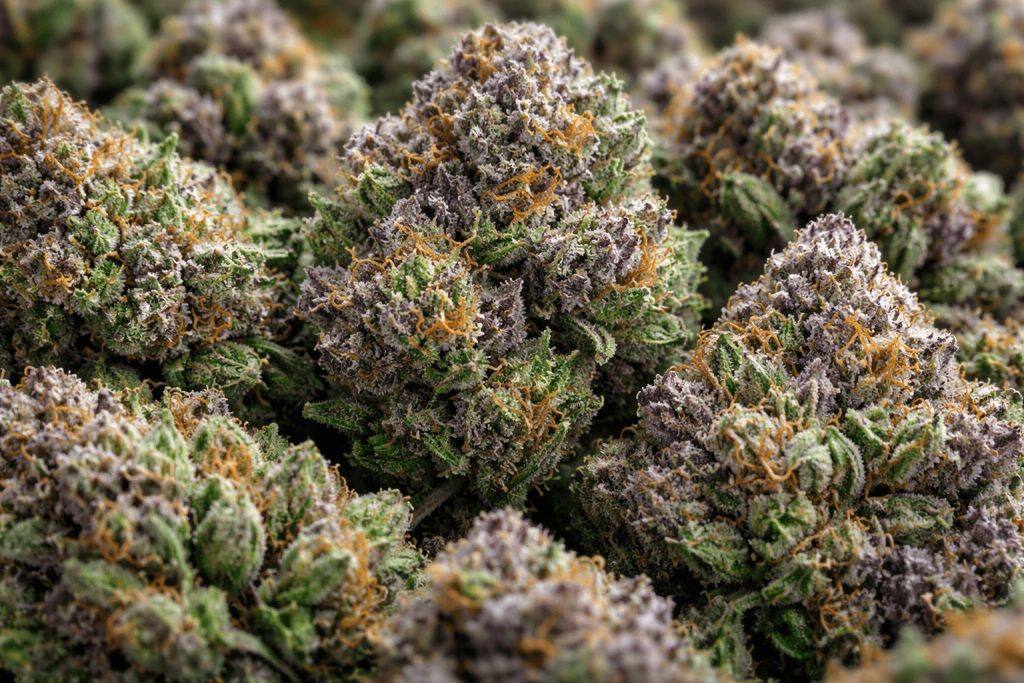
Aroma is one of the most noticeable features when exploring cannabis flower. Different cultivars can produce distinctive aromatic profiles based largely on their terpene composition.
Some flowers may have earthy or herbal notes, while others can offer fruity, floral, citrus, woody, pine-like, or spicy characteristics. This variety gives consumers another way to distinguish between products within the same broad category.
Aroma can therefore become an important part of the overall product discovery process.
Terpenes Add Greater Detail
Terpenes are naturally occurring compounds that contribute to the scent and flavor of cannabis. Their combinations vary between cultivars and can create highly distinctive sensory profiles.
Modern product descriptions may provide terpene information alongside other details. Reviewing this information allows consumers to look beyond broad classifications and understand why two products can have very different characteristics.
This additional layer of information supports a more informed approach to product selection.
Cannabinoid Profiles Help Define Products
Cannabinoids are another important component of modern cannabis product information. THC and CBD are among the most commonly discussed cannabinoids, while some product descriptions may include additional cannabinoid details.
Reviewing cannabinoid information alongside cultivar and terpene details creates a broader product profile. Consumers can use these details to understand how individual selections differ within a larger category.
This approach makes product comparison more comprehensive.
Digital Catalogs Support Modern Selection
Online dispensaries have made it easier to explore diverse cannabis products through organized digital catalogs. Consumers can browse categories, read descriptions, and review product characteristics without depending entirely on physical displays.
A digital environment also allows shoppers to take their time when exploring different selections. They can move between products and categories while keeping specific preferences in mind.
Kush Station Online Dispensary Canada provides an online platform where consumers can explore a variety of cannabis products through a convenient digital shopping environment.
Product Selection Is Becoming More Detailed
Modern cannabis shopping increasingly combines traditional terminology with detailed product information. Classification can provide an initial point of reference, while genetics, aroma, terpenes, cannabinoids, and cultivation details provide greater depth.
This combination gives consumers more ways to understand the products available to them and encourages a more thoughtful approach to cannabis flower discovery.
Conclusion
Indica cannabis continues to hold an important place in modern product selection, but today’s market extends well beyond traditional classifications. Advances in breeding have created diverse cultivars with different aromas, terpene compositions, cannabinoid profiles, and visual characteristics. By considering these details together and using organized online product catalogs, consumers can explore the modern cannabis market with greater clarity and appreciate the variety within today’s indica-associated flower selections.
The Short Version
- Indica varieties traditionally originate from regions of South and Central Asia and are characterized by compact growth patterns, broader leaves, and dense flowering structures.
- Modern cannabis breeding has led to a wide range of cultivars that often contain hybrid genetics, resulting in significant differences in appearance, aroma, cannabinoid content, and terpene composition.
- Aroma, influenced by terpene composition, plays a crucial role in distinguishing between cannabis products and enhances the product discovery process for consumers.
- Terpenes contribute to the scent and flavor of cannabis, creating unique sensory profiles that can help consumers understand the differences between cultivars.
- Cannabinoid profiles, particularly THC and CBD content, provide essential information for consumers to compare and understand individual cannabis selections within larger categories.
- Online dispensaries like Kush Station Canada allow consumers to browse and explore cannabis products in a digital environment, facilitating a more informed and organized product selection process.