
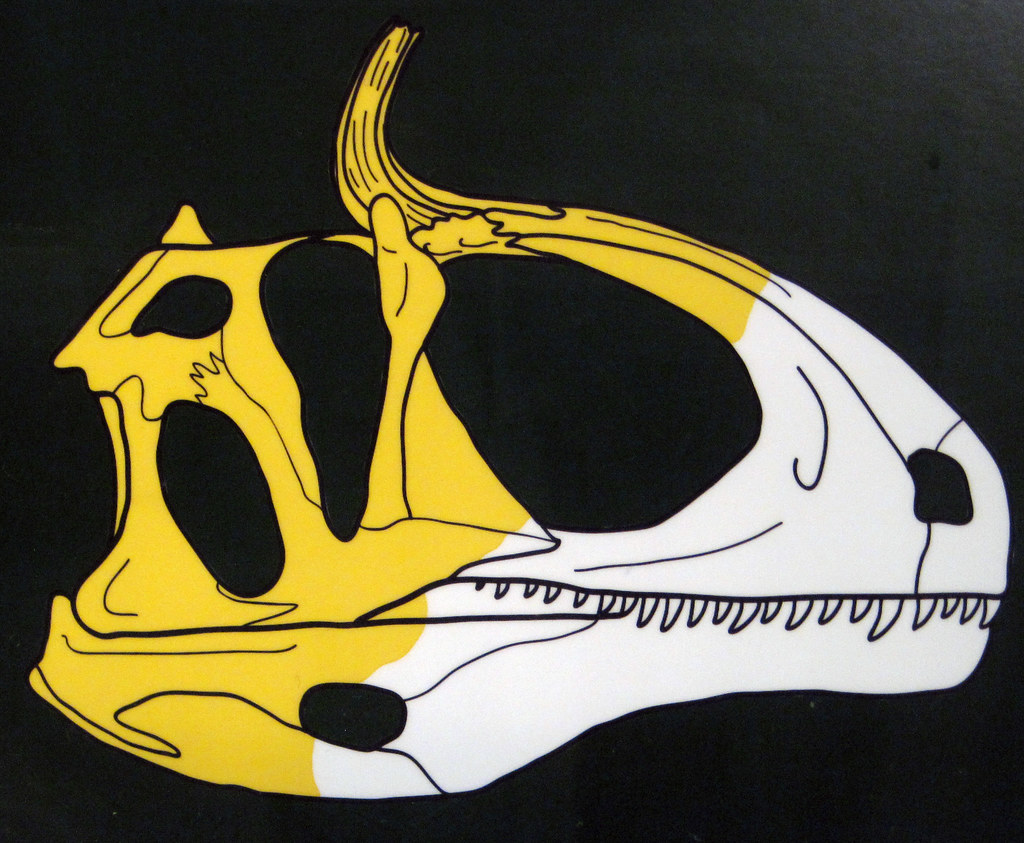
The feathered dinosaur discovery offers remarkable insights into the evolution of flying predators. This newly found specimen in China sheds light on the anatomical features that contributed to their flight capabilities.
What is the feathered dinosaur discovery?
The recent feathered dinosaur discovery in China has captivated paleontologists and enthusiasts alike. This remarkable finding showcases a dinosaur with well-preserved feathers, providing invaluable insights into the evolution of flying predators. The specimen, identified as a new species, exhibits intricate feather structures that were previously unseen in related species.
This discovery sheds light on the development of flight in theropod dinosaurs, which are the ancestors of modern birds. Researchers believe that the feathered dinosaur played a crucial role in understanding how these creatures adapted to their environments and evolved into the flying predators we recognize today.
- The specimen features:
- Exquisite feather preservation: The feathers are remarkably intact, allowing for detailed study.
- Anatomical insights: Unique skeletal features that suggest adaptations for flight.
- Ecological context: Evidence of the dinosaur’s habitat and potential prey.
As scientists continue to analyze this feathered dinosaur discovery, they anticipate uncovering more secrets that could reshape our understanding of avian evolution and the characteristics that define aerial predation in prehistoric times.
Significance of the discovery
The recent feathered dinosaur discovery in China marks a pivotal moment in our understanding of the evolution of flying predators. This remarkable find offers significant insights into how feathers may have evolved not just for flight, but also for other purposes such as insulation and display. The specimen’s exceptional preservation allows scientists to study the structure and arrangement of feathers in unprecedented detail.
Researchers believe that this discovery could reshape the narrative of how certain dinosaur species adapted to their environments. The implications extend beyond mere aesthetics; they suggest that feathers played a crucial role in the survival strategies of these ancient creatures. By analyzing the morphology of the feathers, paleontologists can infer behavioral patterns that may have contributed to the dinosaurs’ predatory skills.
Furthermore, the feathered dinosaur discovery supports the theory that modern birds are the direct descendants of certain dinosaur lineages. This connection underscores the evolutionary link between these feathered reptiles and contemporary avian species, offering a more comprehensive view of the evolutionary tree.
Overall, this discovery not only enriches our knowledge of prehistoric life but also opens new avenues for future research into the evolutionary pathways of flying predators.
How it changes our understanding of evolution
The recent feathered dinosaur discovery has profound implications for our understanding of the evolutionary pathway of flying predators. This remarkable find sheds light on how certain species developed the ability to fly, fundamentally altering the established timeline of avian evolution.
Previously, scientists believed that the transition from ground-dwelling dinosaurs to powered flight occurred in a more linear fashion. However, the new evidence suggests a more complex evolutionary tree, where various adaptations may have arisen in response to environmental pressures. This challenges the long-held notion that feathers were solely for insulation or display, indicating instead that they played a crucial role in the evolution of flight.
Moreover, this discovery highlights the diversity among feathered dinosaurs, which were once thought to be a homogenous group. The findings reveal that these creatures exhibited a range of flight-related adaptations, suggesting that the evolution of flight was not a singular event but rather a series of adaptations across different dinosaur lineages.
In summary, the feathered dinosaur discovery not only enriches our knowledge of these ancient creatures but also calls for a reevaluation of the evolutionary processes that led to the emergence of flying predators.
Key features of the dinosaur
The recent feathered dinosaur discovery has unveiled several remarkable features that contribute to our understanding of these ancient creatures. Paleontologists have identified key characteristics that set this dinosaur apart from other species.
- Impressive Feather Structures: The discovery showcases well-preserved feathers that suggest advanced flight capabilities. These feathers, resembling those of modern birds, indicate that the dinosaur may have been capable of gliding or even powered flight.
- Skeletal Adaptations: The fossil exhibits features such as a lightweight skeleton and elongated wings, which are critical for aerial maneuverability. These adaptations provide insight into the evolutionary transition from ground-dwelling dinosaurs to flying predators.
- Distinctive Claw Shapes: The dinosaur’s claws are uniquely shaped, suggesting a predatory lifestyle. These adaptations may have allowed it to catch and grip its prey effectively, further illustrating its role in the prehistoric ecosystem.
- Coloration Evidence: Analysis of the feather structure hints at vibrant coloration, which may have played a role in mating displays or camouflage, enhancing its survival chances.
Overall, the feathered dinosaur discovery not only enriches our understanding of these prehistoric animals but also highlights the complexity of their evolutionary journey.
Implications for future research
The recent feathered dinosaur discovery has opened new avenues for research that could reshape our understanding of avian evolution. As scientists delve deeper into the implications of this find, several key areas of exploration are emerging.
- Evolutionary Pathways: Researchers are eager to investigate how these feathered dinosaurs fit into the broader evolutionary tree. Understanding their adaptations may provide insights into the transition from terrestrial to aerial lifestyles.
- Functional Morphology: The discovery prompts a closer examination of the anatomical features that facilitated flight. Studies may focus on the structure and arrangement of feathers, wing morphology, and muscle attachments.
- Ecological Roles: Future research will likely explore the ecological niches occupied by these feathered dinosaurs. This includes their predatory behaviors, diet, and interactions with other species in their environment.
- Comparative Analysis: The feathered dinosaur discovery allows for comparisons with modern birds, potentially revealing how certain traits have evolved over millions of years.
In summary, the discovery not only enhances our knowledge of flying predators but also sets the stage for groundbreaking research that could redefine our understanding of dinosaur evolution and their link to birds.
Comparisons with other species
The recent feathered dinosaur discovery has prompted scientists to draw comparisons with other species that exhibit similar traits. Understanding the evolutionary relationships among these creatures is crucial for piecing together the history of flight in prehistoric times.
One prominent comparison is with Archaeopteryx, often regarded as the first bird. Like the newly discovered dinosaur, Archaeopteryx possessed feathers, but its skeletal structure was more bird-like, suggesting it was closer to the lineage of modern birds. The feathered dinosaur discovery challenges this perspective, indicating that feathered features were not exclusive to birds but may have been present in various theropod dinosaurs as well.
Another significant comparison can be made with Microraptor, a small, feathered dinosaur that showcased a unique mix of avian and dinosaur characteristics. Both Microraptor and the newly found dinosaur share similar feather structures, hinting at a complex evolutionary path towards flight.
Additionally, researchers are examining the similarities and differences between this feathered dinosaur and other flying reptiles, such as pterosaurs. These comparisons will enhance our understanding of how flight evolved across different groups of prehistoric creatures, providing deeper insights into the functionality and adaptation of feathers in various ecological contexts.
Expert opinions on the findings
Experts in paleontology have expressed excitement over the recent feathered dinosaur discovery, highlighting its implications for our understanding of avian evolution. Dr. Emily Carter, a renowned paleontologist, stated, “This find is groundbreaking, providing critical insights into the morphology and behavior of flying predators during the Mesozoic era.” The remarkable preservation of the specimen allows researchers to study feather structure and coloration in unprecedented detail.
Dr. Samuel Lee, another leading expert in the field, emphasized the importance of this discovery, noting, “The feathered dinosaur discovery showcases the evolutionary links between non-avian dinosaurs and modern birds, bridging a gap that has puzzled scientists for decades.” He believes that this fossil could redefine the characteristics we associate with flight and predation in prehistoric creatures.
Furthermore, Dr. Maria Gonzalez highlighted the potential for future research, stating, “This discovery opens new avenues for investigating the ecological roles of these feathered dinosaurs, allowing us to better understand their interactions with other species.” As more studies are conducted, the scientific community anticipates that this find will lead to a deeper comprehension of how these fascinating creatures adapted to their environments.
By James St. John via Openverse