




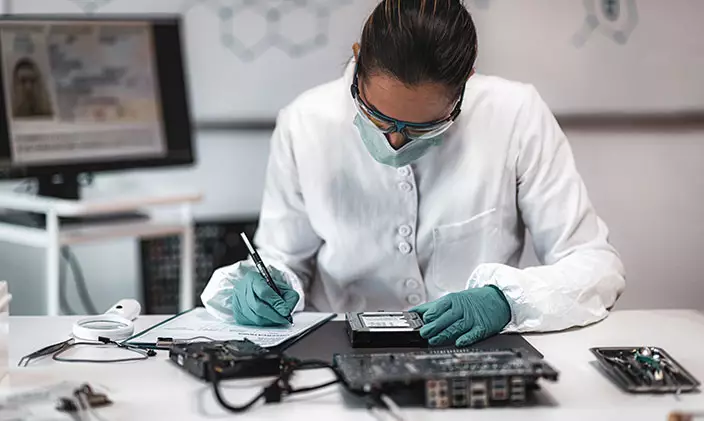
 Forensic workstations are specialized computer systems used by forensic analysts to perform investigations, digital forensics, and other related tasks. These workstations are designed to meet the specific requirements of digital forensics, such as the need for enhanced processing power, storage capacity, and specialized hardware and software. A forensic workstation is an essential tool for any digital forensic investigator, but for those new to the field, they can be a bit daunting. In this guide, we will demystify forensic workstations and provide a comprehensive overview of what they are, what they do, and how to choose the right one for your needs.
What are forensic workstations?
Forensic workstations are specialized computer systems used by forensic analysts to perform investigations, digital forensics, and other related tasks. They are designed to handle large volumes of data and to ensure data integrity and security. Forensic workstations can be either physical or virtual, and they typically come with customized hardware and software configurations that are optimized for forensic tasks.
Hardware and software requirements of forensic workstations
Forensic workstations require hardware and software configurations that are optimized for digital forensic tasks. Common hardware components include powerful processors, high-capacity hard drives, and large amounts of RAM. Specialized hardware components may also include write-blockers, which protect against accidental or intentional modification of data during the examination process. Forensic software is typically specialized forensic imaging, analysis, and reporting tools.
Types of forensic workstations
There are two main types of forensic workstations: physical and virtual. Physical forensic workstations are dedicated computers that are specifically designed and configured for forensic tasks. They are typically used in a dedicated forensic lab. Virtual forensic workstations are virtual machines that run on a host computer and are used for tasks such as network forensics and remote investigations.
How to choose the right forensic workstation
Choosing the right forensic workstation depends on your specific needs and requirements. Some factors to consider include the type of investigations you will be performing, the scope of your investigations, and the types of devices and systems you will be examining. You should also consider factors such as processing power, storage capacity, and the amount of RAM as well as the types of forensic software that come bundled with the workstation.
Best practices for forensic workstations
There are certain best practices you should follow when using forensic workstations. These include maintaining the integrity of the original data sources, using write-blockers to prevent accidental or unintentional modifications to data, and keeping detailed records of your examination process. You should also ensure that your forensic workstation has up-to-date security software, and you should follow standard security practices, such as using firewalls, disabling unnecessary services, and regularly updating your software and hardware.
Conclusion:
Forensic workstations are an essential tool for any digital forensic investigator. They are specialized computer systems optimized for digital forensic investigations, capable of handling large volumes of data while maintaining data integrity and security. Forensic workstations can be physical or virtual and come with customized hardware and software configurations. Choosing the right forensic workstation depends on factors such as the type of investigations you will be performing, the scope of your investigations, and the types of devices and systems you will be examining. Finally, following best practices for using forensic workstations will help ensure that your investigations are thorough and accurate.