
Space weather train delay highlights the unexpected effects of cosmic events on daily life. In 1848, a 16-minute train delay was attributed to space weather phenomena, showcasing the intricate connection between our planet and the cosmos.
Understanding Space Weather
Space weather refers to the environmental conditions in space that can affect technological systems on Earth. These conditions arise from solar activity, such as solar flares and coronal mass ejections, which release charged particles into space. When these particles interact with the Earth’s magnetic field, they can create disruptions that impact various systems.
One of the earliest recorded instances of space weather affecting transportation occurred in 1848, resulting in a 16-minute train delay. This event was caused by a solar storm that interfered with the telegraph systems, causing confusion and communication breakdowns. Historical research indicates that these cosmic events can have tangible effects on our daily lives, illustrating the interconnectedness of natural phenomena and human activities.
Today, scientists continue to study space weather in order to predict its impact on technologies such as GPS, power grids, and communication systems. The ongoing research highlights the importance of understanding space weather not only for technological advancements but also for ensuring public safety and efficient transport systems.
As we advance our knowledge in this field, it becomes clear that awareness of space weather train delays and other related phenomena is essential for modern infrastructure resilience.
Historical Context of Train Delays
Throughout history, train systems have faced various challenges, but few are as intriguing as the influence of space weather on their operations. In 1848, a significant event highlighted this connection when a solar storm led to a documented 16-minute train delay. This incident not only disrupted transportation but also marked one of the earliest cases linking cosmic phenomena to earthly systems.
The ripple effects of cosmic events on technology are not merely theoretical; they have been observed repeatedly over the decades. As understanding of space weather has evolved, researchers have discovered that solar flares and geomagnetic storms can interfere with communication systems, navigation, and even power grids, all of which are crucial for train operations. These disruptions can lead to delays that ripple through entire networks.
In modern times, as we continue to rely heavily on advanced technologies, the potential for space weather to cause train delays remains a pressing concern. Authorities now monitor solar activity closely to mitigate disruptions and keep passengers informed. The historical context of train delays due to space weather serves as a reminder of the complex interplay between our planet and the cosmos.
Impact of Cosmic Events on Earth
Cosmic events, particularly those related to space weather, have consistently demonstrated their ability to influence life on Earth. One notable example occurred in 1848, when a significant solar storm led to a 16-minute train delay, illustrating the profound effects of solar activity on our technology and infrastructure.
Space weather encompasses various phenomena, including solar flares and geomagnetic storms, which can disrupt communication systems, navigation satellites, and even power grids. These disruptions can have cascading effects, impacting not only individual travelers but entire transportation networks.
In addition to historical instances, modern advancements have made it easier to track and predict space weather events. However, the continued evolution of technology also brings new vulnerabilities. For instance, trains equipped with advanced signaling systems may experience delays due to fluctuations in magnetic fields caused by solar events.
Understanding the relationship between cosmic occurrences and terrestrial systems is crucial. As our dependence on technology grows, so does the importance of acknowledging and preparing for the potential for space weather train delays and other disruptions. The ongoing research into these phenomena serves as a reminder of our connection to the cosmos.
Research Insights and Findings
Recent research has shed new light on the intriguing connection between space weather and transportation, particularly in the case of a significant space weather train delay recorded in 1848. Experts have examined historical data and cosmic events to uncover patterns that suggest solar activity can directly affect train operations.
A study conducted by a team of astrophysicists and transportation experts revealed that fluctuations in the Earth’s magnetic field, caused by solar storms, can disrupt communication systems and navigation technologies used in trains. The findings indicate that during extreme solar events, the chances of delays increase significantly.
In their analysis, researchers found that:
- Solar flares and coronal mass ejections can produce electromagnetic interference.
- Historic delays, like the 16-minute disruption in 1848, are not isolated incidents.
- Modern technology, while more advanced, is still vulnerable to the effects of space weather.
As scientists continue to explore this connection, it becomes increasingly clear that understanding cosmic events is crucial for ensuring the reliability of transportation systems across the globe.
Future Implications of Space Weather
The implications of space weather on modern transportation systems extend far beyond historical events. As our reliance on technology increases, the potential for space weather-related disruptions becomes a growing concern for railway operators and commuters alike.
Recent studies suggest that even minor solar activity can affect train operations, leading to delays and safety concerns. The phenomenon known as geomagnetic storms can induce electrical currents in railway tracks and signals, causing operational issues that may not be immediately obvious.
Key considerations for the future include:
- Infrastructure Resilience: Upgrading train systems to better withstand cosmic events may reduce the likelihood of delays.
- Real-Time Monitoring: Implementing advanced technology to monitor space weather could provide early warnings to operators, allowing for proactive measures.
- Public Awareness: Educating passengers about the potential for train delays due to space weather can help manage expectations.
As the impact of space weather train delay is increasingly understood, the railway industry must adapt to ensure safety and reliability in the face of cosmic uncertainty.
Recent studies have shown that a space weather train delay can significantly disrupt transportation schedules. As cosmic events become more frequent, understanding the implications of a space weather train delay is crucial for maintaining efficient rail systems.
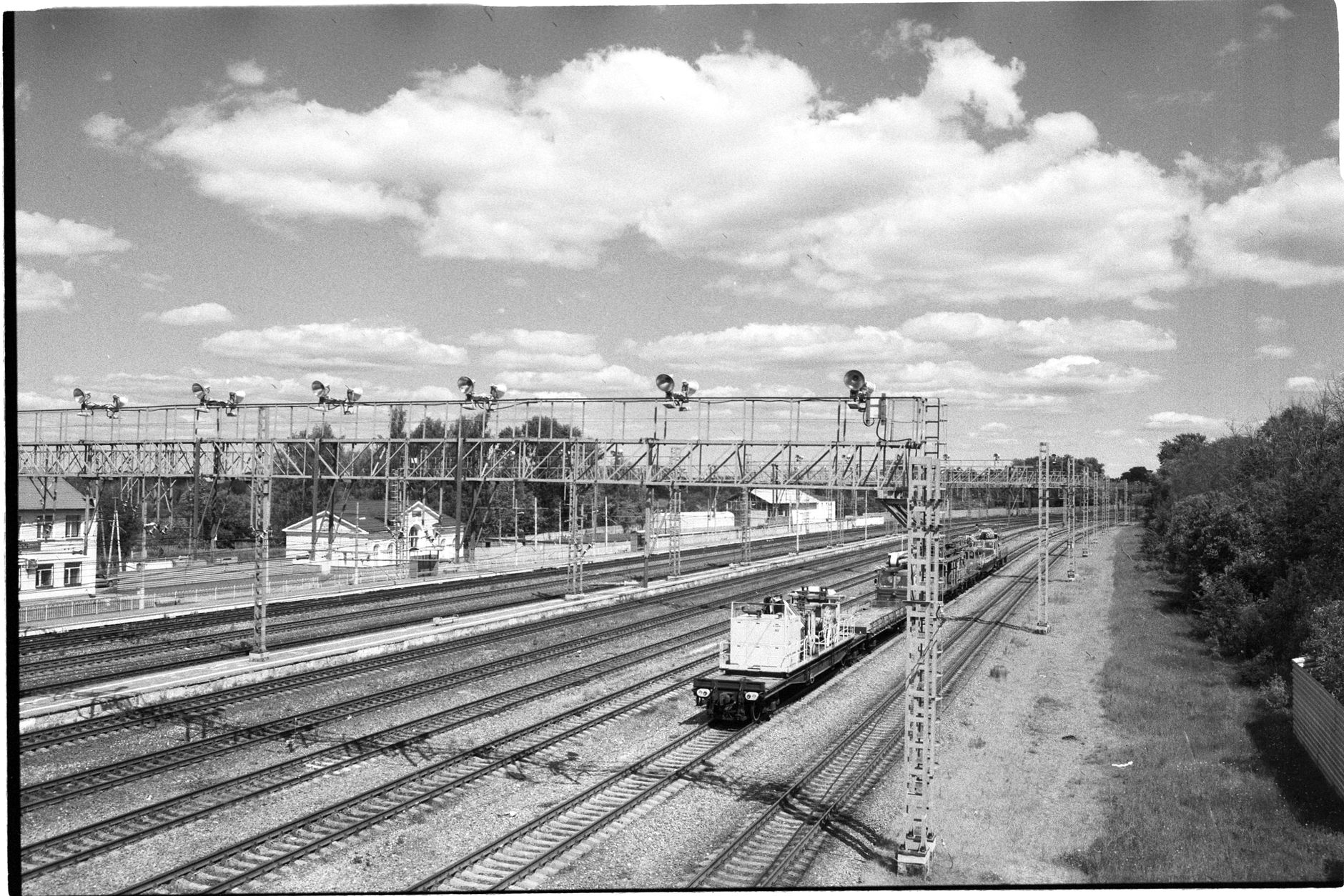
Photo by Andrey Karpov on Pexels
References
You might also like
September 2026 Social Worker SWLE Results: Proven Insights · IOCL Admit Card 2026: What’s the Real Release Date? · UPESEAT 2027 registration: Quick Details You Need to Know