


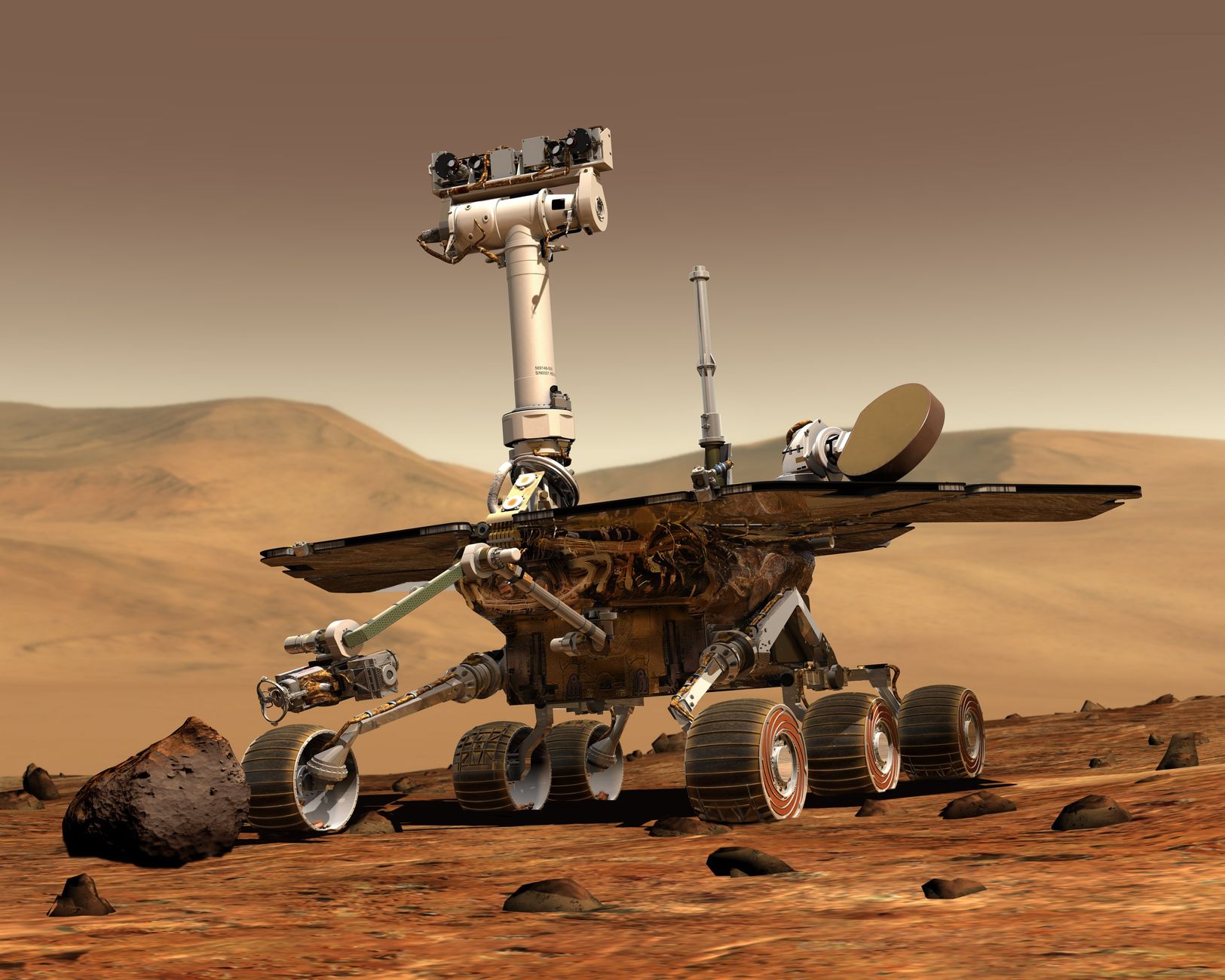
origami rover wheels are an innovative solution for exploring the moon’s lava tubes. These unique designs could enhance mobility and adaptability in challenging lunar terrains.
How Origami Rover Wheels Work
The innovative design of origami rover wheels is revolutionizing the approach to lunar exploration. These wheels are inspired by traditional origami techniques, allowing them to fold and unfold, thereby adapting to various terrains. This flexibility is particularly advantageous for navigating the challenging landscapes found on the Moon.
Origami rover wheels are constructed using lightweight materials that can withstand harsh lunar conditions, while also providing structural integrity. As these wheels unfold, they expand in size, maximizing traction on uneven surfaces. This ability to adjust their form enables rovers to traverse rocky terrains and enter lava tubes, which are of great interest to scientists studying the Moon’s geological history.
Additionally, the design allows for efficient storage and transport. Rovers equipped with origami wheels can compact their form, making them easier to launch and deploy. Once on the lunar surface, the wheels can expand, transforming the rover’s capabilities and enhancing its mobility.
In summary, origami rover wheels present a promising solution for Moon exploration, combining adaptability, efficiency, and durability. As researchers continue to refine these designs, they may very well represent the future of extraterrestrial vehicle technology.
Benefits of Innovative Wheel Designs
The development of innovative wheel designs, such as origami rover wheels, presents numerous advantages for lunar exploration. These unique wheels offer flexibility and adaptability, essential for navigating the moon’s diverse terrains.
One of the primary benefits of origami-inspired wheels is their ability to effectively traverse obstacles. Their foldable structure allows them to expand and contract, enabling rovers to maneuver through narrow lava tubes and rough landscapes that traditional wheels might struggle with. This adaptability increases the likelihood of reaching unexplored areas on the lunar surface.
Moreover, origami rover wheels are lightweight and compact, which significantly reduces the overall weight of the rover. This reduction in weight is critical for space missions, as it can lower launch costs and improve fuel efficiency during transit. The compact nature of these wheels allows for easier storage and deployment, making them ideal for long-duration missions.
Additionally, the design of origami wheels can be engineered to provide enhanced traction. The ability to change shape can help them grip different surfaces, whether it be loose regolith or rocky terrain. Overall, the innovative design of origami rover wheels offers a promising solution to the challenges of moon exploration.
Challenges in Lunar Exploration
Lunar exploration presents a unique set of challenges that require innovative solutions. One of the most significant obstacles is the moon’s rugged terrain, which features sharp rocks, steep slopes, and deep craters. These conditions can easily hinder traditional rover designs, limiting their ability to navigate effectively.
Moreover, the moon’s lack of atmosphere contributes to extreme temperature fluctuations, which can impact the functionality of conventional materials. Rovers must withstand temperatures ranging from scorching heat during the day to freezing cold at night. This variability necessitates durable, adaptable designs that can perform reliably under harsh conditions.
Another challenge is the need for efficient mobility within confined spaces, such as the lava tubes that exist on the lunar surface. Traditional wheels may struggle in these narrow, uneven environments. Here, origami rover wheels offer a promising solution, as their flexible design allows for better maneuverability and adaptability to various terrains.
Additionally, the logistics of transporting rovers to the moon present hurdles. Compact designs, like those inspired by origami, can facilitate easier transport and deployment, making them ideal for space missions. Overcoming these challenges will be crucial for the success of future lunar exploration initiatives.
Future of Moon Missions
The future of Moon missions is increasingly leaning towards innovative technologies that can adapt to the unique challenges of the lunar environment. As space agencies and private companies prepare for more ambitious exploration, the development of origami rover wheels presents a promising solution. These wheels, inspired by traditional origami techniques, offer flexibility and durability, making them ideal for traversing the Moon’s rugged terrain.
In the coming years, missions aimed at exploring the Moon’s lava tubes and other uncharted areas will benefit from advancements in rover technology. The ability of origami rover wheels to fold and reshape allows rovers to navigate narrow passages and difficult landscapes that traditional wheels struggle with. This adaptability could lead to a significant increase in the amount of data collected from these previously inaccessible regions.
Moreover, as the focus shifts towards sustainable exploration, origami designs promise to reduce weight and material usage, which is crucial for cost-effective missions. The integration of these innovative wheels could not only enhance mobility but also pave the way for future technologies in space exploration. With each mission, the potential for discovering new resources and habitats on the Moon becomes more tangible, emphasizing the importance of evolving design concepts like origami rover wheels.
NASA’s Latest Developments
Nasa has recently announced significant advancements in the development of origami rover wheels, aimed at enhancing lunar exploration capabilities. These innovative wheels, inspired by traditional origami techniques, are being designed to adapt to the unique challenges posed by the Moon’s terrain. Researchers believe that their flexible design will allow rovers to navigate challenging surfaces, including steep slopes and rough volcanic regions.
One of the key features of these origami wheels is their ability to fold and expand, which makes them lightweight and easy to transport. This adaptability is crucial for missions that require versatility in mobility. In a recent test, a prototype of these wheels successfully traversed a simulated lunar environment, demonstrating their effectiveness in overcoming obstacles that traditional wheels struggle with.
Moreover, the development team is exploring how the origami rover wheels can be integrated with existing rover technology. By enhancing the rovers’ ability to access hard-to-reach areas, scientists hope to gain insights into the Moon’s geological history and potential resources, such as water ice.
As Nasa continues to refine these designs, the future of lunar exploration looks promising, with origami-inspired technology leading the way toward new discoveries.
Photo by Pixabay on Pexels
Where this came from
Related stories
Mysterious burst of energy: What is the real explanation? · AI funding record: Butterfly Effect secures $500M+ deal · Claude Haiku 5.5: The Best AI Model for Fast Performance