


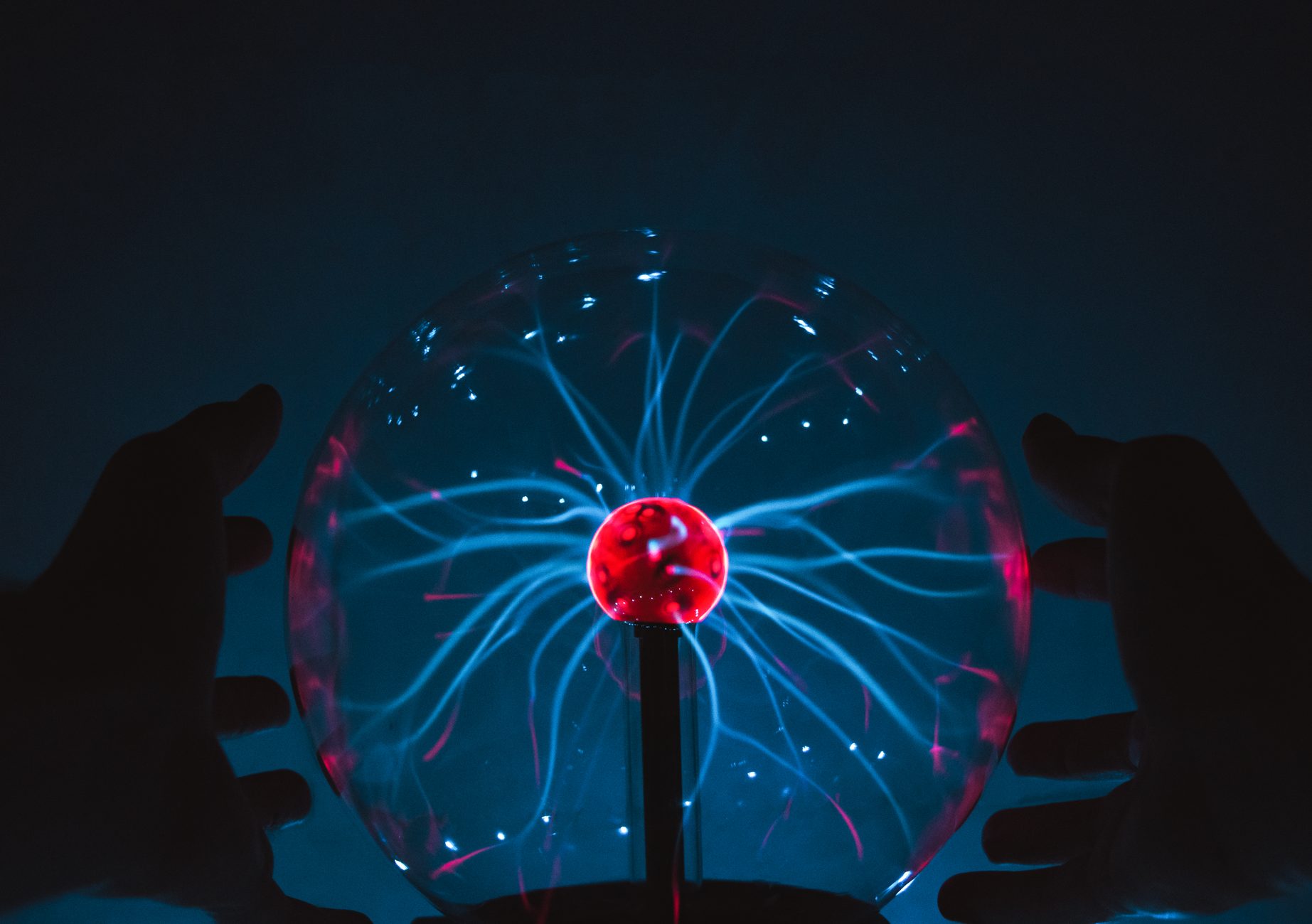
fascinating science facts can challenge your understanding of the world. In this article, we explore some of the most mind-bending truths that will leave you questioning reality.
What Makes Science Fascinating?
Science has an intrinsic allure that captivates the imagination and provokes curiosity. The realm of fascinating science facts is filled with extraordinary revelations that challenge our understanding of the world. From the microscopic to the cosmic, each discovery opens new avenues of thought and inquiry.
One of the most compelling aspects of science is its ability to reveal the unexpected. For instance, consider the astonishing fact that honey never spoils. Archaeologists have discovered pots of honey in ancient Egyptian tombs that are over 3,000 years old and still perfectly edible. This incredible property sparks questions about preservation and biology.
Similarly, the concept of quantum entanglement defies common sense. Particles can become entangled, meaning the state of one instantly influences the state of another, regardless of the distance separating them. This phenomenon not only intrigues scientists but also raises profound philosophical questions about the nature of reality.
Furthermore, the vastness of the universe offers endless avenues for exploration. Did you know that there are more stars in the universe than grains of sand on all the world’s beaches?
Such captivating insights are what make science both fascinating and essential. They encourage us to question, explore, and expand our knowledge, ultimately leading to a deeper appreciation of the complexities of life and the universe.
The Weirdest Science Facts You Didn’t Know
Science is full of surprises, and some of the weirdest science facts can truly change our perspective on the world. Here are a few astonishing insights you might not have known:
- Bananas are berries, but strawberries aren’t! This surprising classification in botany shows just how strange fruit categorization can be.
- Honey never spoils. Archaeologists have found pots of honey in ancient Egyptian tombs that are over 3,000 years old and still perfectly edible.
- Octopuses have three hearts. Two pump blood to the gills, while one pumps it to the rest of the body, making their circulatory system quite unique.
- Wombat poop is cube-shaped. This peculiar trait helps the poop stay in place and mark territory without rolling away.
- A day on Venus is longer than a year on Venus. It takes about 243 Earth days for Venus to rotate once on its axis, but only around 225 Earth days to complete an orbit around the sun.
- There are more stars in the universe than grains of sand on all the Earth’s beaches combined. This fact puts the vastness of space into perspective.
These fascinating science facts demonstrate the quirky and often mind-boggling nature of our universe, reminding us that there’s always more to learn.
How Science Challenges Our Perceptions
Science continually challenges our perceptions of reality, unraveling mysteries that often seem trivial or impossible at first glance. This process of discovery reveals fascinating science facts that can shift our understanding of the world around us. For instance, did you know that time can actually vary depending on your speed? According to Einstein’s theory of relativity, the faster you move through space, the slower you move through time. This means that astronauts aboard the International Space Station age slightly slower than people on Earth.
Additionally, our senses can be deceiving. The human brain is wired to fill in gaps, leading us to perceive things that do not actually exist. An example of this is the Rubin’s vase illusion, where one can see both a vase and two faces simultaneously depending on visual focus. Such optical illusions exemplify how our perceptions can be manipulated.
Another intriguing concept is that of quantum entanglement, where particles can become interconnected, influencing each other instantly over vast distances, defying the traditional laws of physics. This phenomenon challenges our understanding of causality and locality, prompting scientists to rethink the very fabric of reality.
These examples illustrate that science not only offers a wealth of fascinating science facts but also encourages us to question our beliefs and perceptions, inviting us to explore the complexities of the universe.
Exploring the Limits of Human Understanding
As we delve deeper into the vast realm of knowledge, we often encounter fascinating science facts that challenge our understanding of the world around us. The limits of human understanding are constantly pushed by groundbreaking discoveries and innovations that seem to defy logic.
One such example is the phenomenon of quantum entanglement, where particles become interconnected in ways that allow them to influence each other instantaneously, regardless of distance. This baffling principle has led scientists to question the very nature of reality and time.
Additionally, consider the concept of dark matter, which makes up about 27% of the universe yet remains invisible and undetectable. Our inability to see or interact with it raises profound questions about what we truly know about the cosmos.
Moreover, the human brain, a marvel of biological engineering, contains approximately 86 billion neurons, yet we still do not fully comprehend how it processes thoughts or memories. This gap in understanding highlights the complexities of human consciousness.
In exploring these limits, we uncover a world rich with fascinating science facts that not only ignite curiosity but also encourage deeper inquiry. As we continue to push the boundaries of our knowledge, we are reminded that the quest for understanding is an endless journey filled with surprises and revelations.
In addition to the bizarre phenomena observed in nature, these fascinating science facts reveal the intricate connections between different species. Exploring these fascinating science facts can lead to a deeper appreciation of the world around us.
Photo by Benni Fish on Pexels